Pure sequence
Three or more same-suit, ordered cards with no joker in the slot. This is the hardest constraint and the most common reason a hand fails to declare.
Example: 5♠ 6♠ 7♠ 8♠
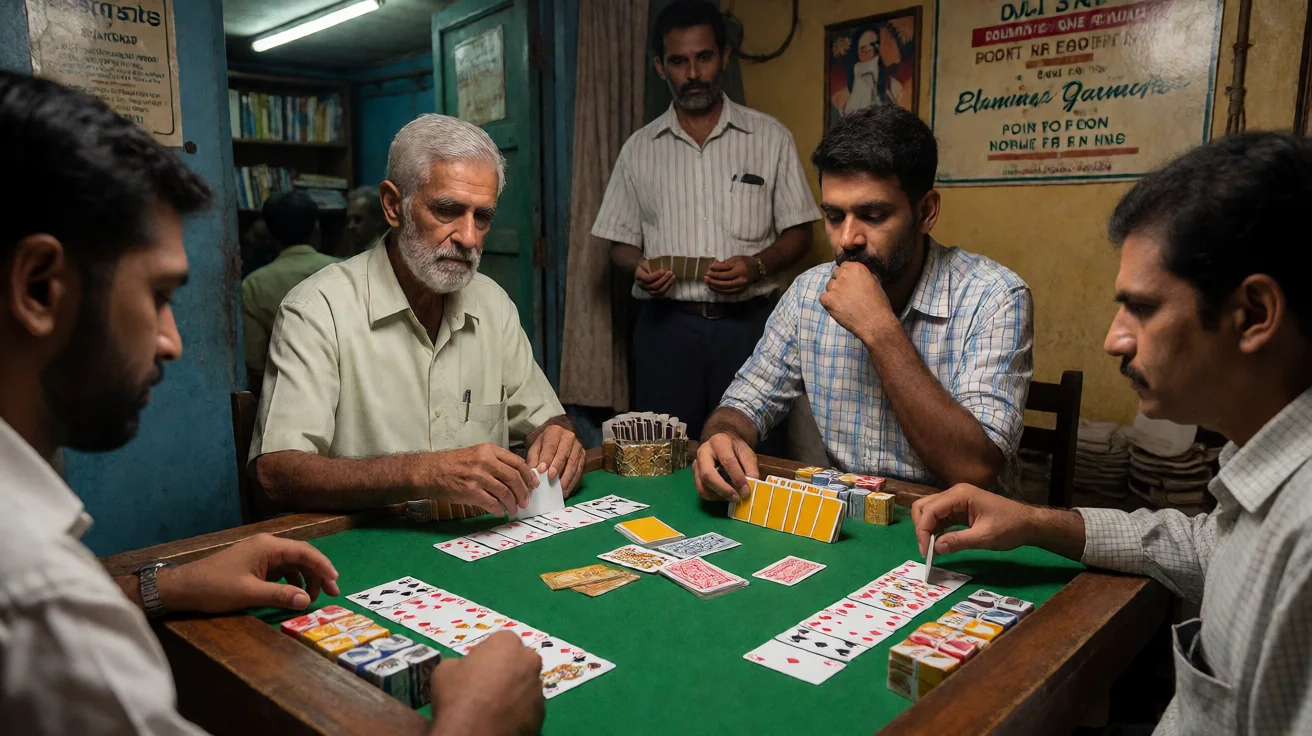
A working explainer from the rummy desk, comparing the five Indian formats most adult readers meet at a paid table. Same five rules, applied to each format.
A vertical editorial index anchoring every chapter the desk publishes. Read in order, or jump straight to a topic.
Two declared groups. One carries a green verdict; the other carries an amber verdict. The rest of the desk follows from this single contrast.
A run of three or more cards of the same suit, in order, with no wild or printed joker standing in for a missing rank. A royal run of ace, two, three in the same suit is the cleanest pure sequence, and almost every points and pool format requires at least one pure sequence at declaration.
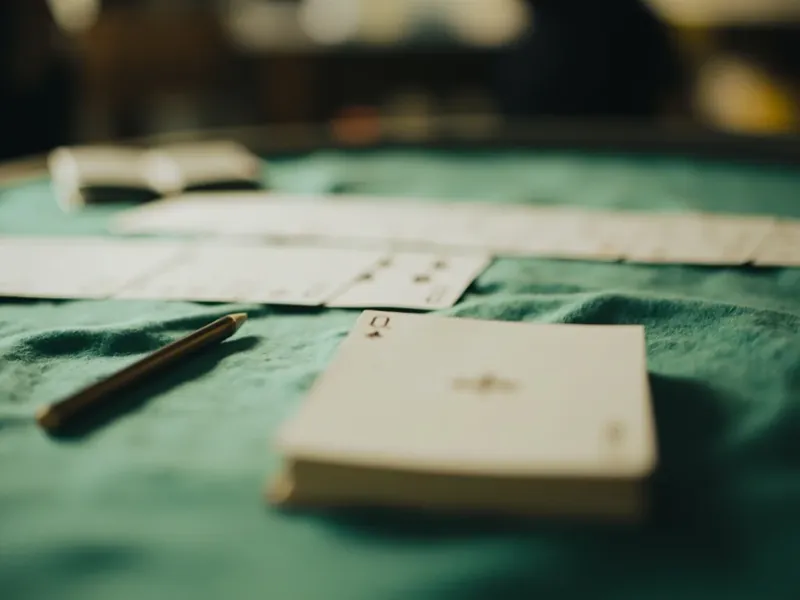
A run of three or more cards where a printed or wild joker substitutes for a missing rank to complete the order. The suit stays single, but the joker breaks the natural sequence. Impure sequences count toward a declare, but they do not satisfy the mandatory pure sequence requirement.
Pure run, impure run, set, and the printed joker as a free card. Each annotated callout shows the constraint, the verdict chip and a worked hand.

Three or more same-suit, ordered cards with no joker in the slot. This is the hardest constraint and the most common reason a hand fails to declare.
Example: 5♠ 6♠ 7♠ 8♠
Same-suit, ordered cards where a joker fills one rank gap. Valid in a declare but never sufficient on its own. The desk treats this as the second pillar of a hand.
Example: 5♠ 6♠ 🃏 8♠ (joker as 7♠)
Three or four cards of the same rank across different suits. A four-of-a-kind set using jokers counts but the natural spread across suits is what most formats prefer.
Example: 9♠ 9♥ 9♦ 9♣
Five formats, five sets of rules. Switch between tabs to read the rule card stack for each one. Keyboard left and right to move.
One hand, one declare. Each unmatched card at the end costs a point against your score.
Fixed per table. Lower stakes tables begin at one or two rupees per point.
First drop costs 25; middle drop costs 50; full show means zero penalty if valid.
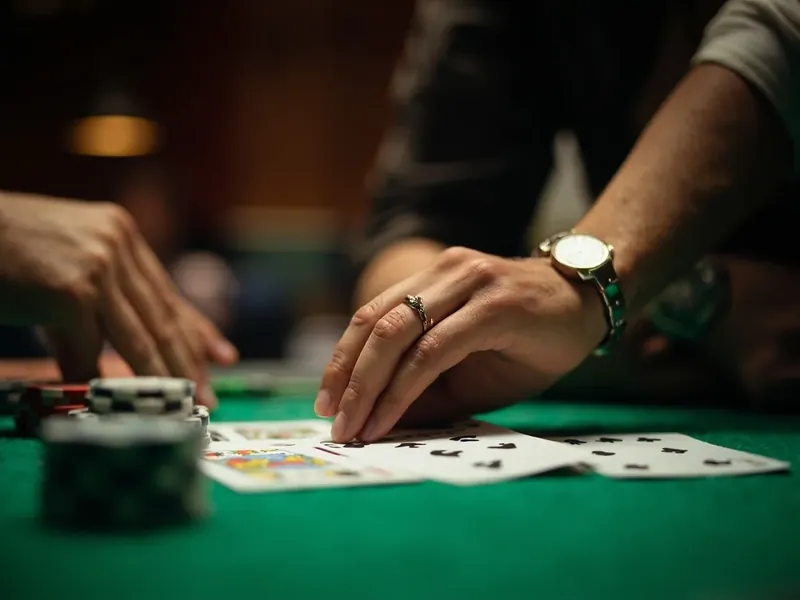
A held-hand crop, a held-hand crop from a second angle, and an editorial annotation strip. No neon wash, no cutout pose, no fabricated winner.

In the desk's editorial photography, two overlapping crops show the same hand from two angles. The annotation strip beside the crop names the run count, the set count and the unmatched count without claiming a winner.

Each portrait callout carries a short reading from the desk. The side rail distributes the count of unmatched cards and where to look next.
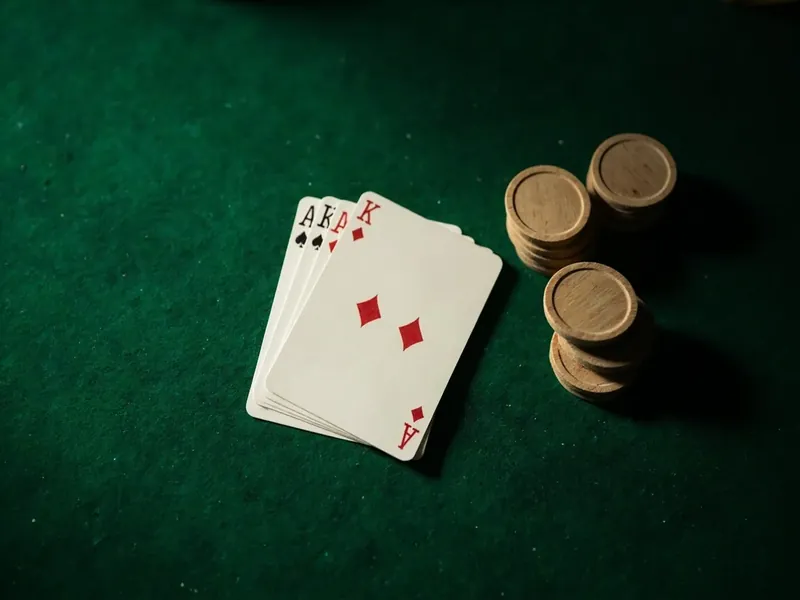
Three cards of one suit in order. No set, no impure run, no joker. The simplest valid declare beyond a single pure sequence is unlikely, so the rest of the strategy is waiting for the right draw.
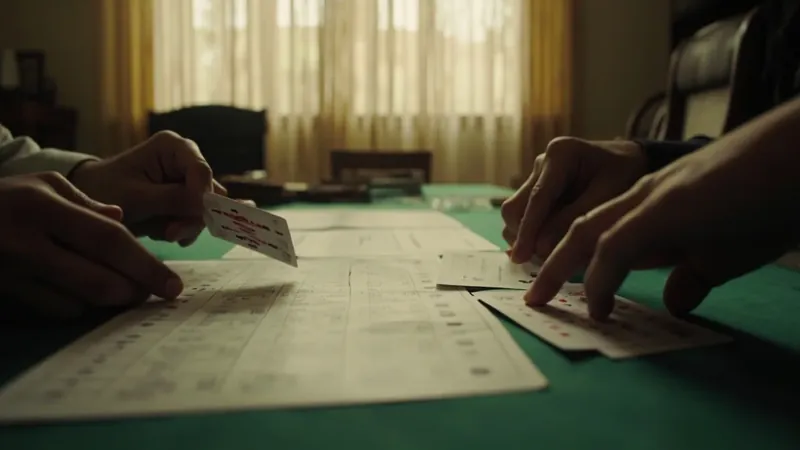
A pool horizon rewards held hands. The reading here is to keep the impure run short and let the pure sequence mature, even if the cost of dropping early rises.
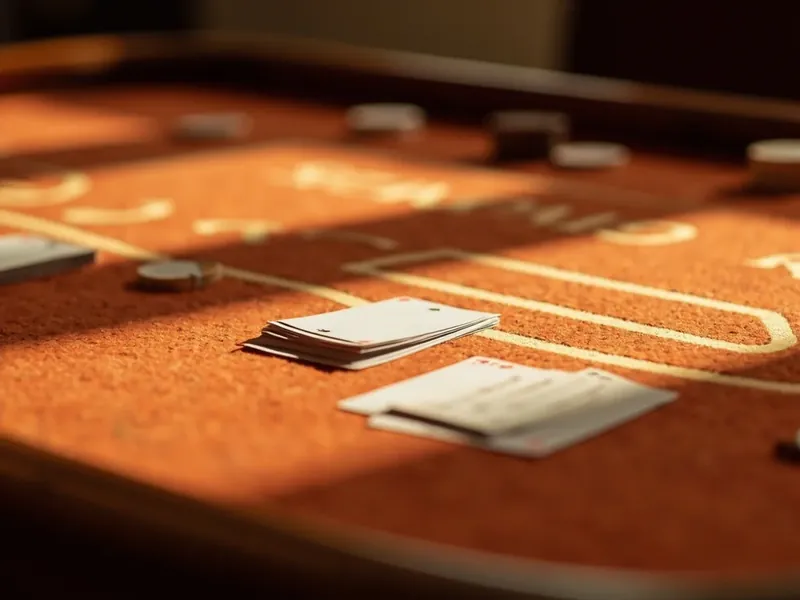
A deals format reduces patience. The reading here is to declare at the first valid moment rather than chase a second pure sequence that the remaining deck may not allow.

The thirteen-card format is the most common entry point. The reading is to learn the pure sequence constraint thoroughly before chasing multi-set strategies.
A long-read on the limits of strategy in a 13-card rummy hand. Two pull-quote boxes, one probability caution, and the verification desk's reading of the evidence.
The single most useful number in rummy strategy is the count of unmatched cards in your hand after the first draw. Everything else is downstream of that count: whether you should hold, drop, or chase a second pure sequence. The desk publishes these counts as probability cautions, not as promises, because every deck and every table reshuffles them.
Strategy in rummy is the practice of knowing which hand to walk away from.
The discard pile tells you what the table wants. A discard that does not match your suit or rank is a hint about which sequence the rest of the table is avoiding. The desk reads these hints as probabilities, not as instructions, and every strategy chapter here keeps that distinction visible.
A pull-quote on probability cautions is honest only if it names the source of the number. The desk publishes its probability cautions with the dataset it read, the date of the dataset, and the assumption that the dataset was sampled under standard rules. Without those three, a probability caution is just a feeling with a number attached.
A probability caution is a number. A promise is not. The desk publishes the first kind only.
The full strategy chapter expands these cautions into the practical decisions a reader can make at the table. Read it in order, or jump straight to the discard discipline section.
A short shelf of three tonal panels with verdict numerals, methodology caption and a pointer to the full review route.
How readable the table lobby is on a 360-pixel phone. Verdict sits on tested screen readers and a keyboard-only session.
How quickly a player can join a 2-player table, see the drop ladder and confirm the table value before committing a rupee.
What the platform does when a connection drops mid-deal. Verdict sits on the operator's published reconnection rules.
Methodology: each verdict is the average of three timed passes at 360 pixels, with the screen-reader pass weighted double for accessibility.
A paper-ledger explainer. Each row carries one verification step, what it proves, and what it does not prove.
Mobile number (OTP)
Proves you hold the SIM at sign-up. Does not prove identity.
One-tapEmail confirmation
Proves you hold the inbox. Useful for password reset and account notices.
Two-tapPAN (masked)
Required for cumulative withdrawals. The platform must mask all but the last four characters.
Tier 2Aadhaar (last four only)
Used for address confirmation. Never share the full Aadhaar number on chat or email.
Tier 3UPI ID verification
Proves you control the UPI handle. Withdrawal flow varies by operator.
WithdrawThe desk publishes responsible play as a single calm card with one large numeral and four resource lines, not as a marketing block.
If a game stops being a game, stop the game. The desk publishes a single adult-only helpline numeral and four resource lines below.
14446 (toll-free, multi-language)
Set a daily cap in your account settings.
Cool-off for 24 hours, 7 days, or 30 days.
Operator's responsible play policy and the MeitY / PROG Act language, kept current.
Short, dated, named. The desk publishes only product updates it has verified with the operator's published release notes or with a named source.
The desk publishes a working explainer comparing the five Indian rummy formats on the same five rules, written from the standard 13-card hand outward.
The desk publishes a clarification on how a mid-drop is scored under Pool 201 rules, with reference to the operator's published drop ladder.
The desk tested the operator's reconnection flow on a 360-pixel phone and on a tablet, recording the time-to-rejoin.
The desk audited a sample of UPI withdrawals for time-to-credit and decline handling. Results published without an operator endorsement.
A short desk of reader questions. Each answer carries the source the desk used. Where the desk could not verify a claim, it says so.
In standard 13-card rummy, a valid declare requires at least one pure sequence and at least one additional meld, which may be an impure sequence, a set, or a second pure sequence. A hand with only one pure sequence and no second meld is an invalid declare.
Source: standard rules of 13-card rummy, as published in the operator's rules section.
A first drop, before drawing the third card, is the cheapest drop on the standard ladder. The exact value varies by operator and is usually 25 points against the player.
Source: standard drop ladder, with operator-published values.
No. A printed joker is a printed joker. A wild joker is the card picked at the start of the deal. The two are different roles and a printed joker cannot stand in for the wild card's role in a meld.
Source: standard joker rules, with operator-published roles.
A middle drop, after the third card but before the declaration, costs more than a first drop. Standard ladders put a middle drop at 50 points against the player.
Source: standard drop ladder.
In India, rummy has been treated as a game of skill by the Supreme Court of India. The desk publishes that legal position and points readers to the relevant Supreme Court observations for verification.
Source: Supreme Court of India, observations on rummy as a game of skill. The desk cites this as a legal position, not as advice.
Most major rummy operators support UPI withdrawals. The desk audited a sample of withdrawals for time-to-credit and decline handling, and the audit results are published in the safety chapter.
Source: safety chapter audit, with operator-published withdrawal rules.
A short editorial colophon with sourcing standards, age notice, jurisdiction language and the editorial code the desk follows.
The desk cites the operator's published rules, the operator's published drop ladder, the Supreme Court observations on rummy as a game of skill, and named reports for probability ranges. Where the desk cannot verify a claim, it says so.
18+ only. The desk does not publish game coverage for minors. The site carries a permanent age notice on the cover and on every chapter close.
The desk publishes skill-based formats only. State-by-state restrictions on real-money games apply and the desk reminds readers to check their local rules before joining a paid table.