
The desk reviews rummy platforms on six dimensions: navigation, table state, join flow, disconnect handling, accessibility and verification. Each dimension is timed at 360 pixels, scored out of ten, and published with the dataset, the date of the dataset, and the assumptions used. Where the desk could not verify a claim, the chapter says so.
The desk refuses to publish operator names that the operators themselves have not authorised for editorial use. Verdicts are published as timed-pass results and accessibility scores, not as endorsements or as marketing copy. The desk is not affiliated with any operator.
Navigation & accessibility
How readable the table lobby is on a 360-pixel phone. Verdict sits on tested screen readers and a keyboard-only session.
Table state & join flow
How quickly a player can join a 2-player table, see the drop ladder and confirm the table value before committing a rupee.
Disconnect handling & continuity
What the platform does when a connection drops mid-deal. Verdict sits on the operator's published reconnection rules.
A platform scores well on navigation if a 360-pixel phone user can reach the table lobby, see the table value, and join a 2-player table within three taps. The desk times each tap and weights the screen-reader pass double. The accessibility score is the average of the timed pass, the keyboard pass, and the screen-reader pass.
The desk refuses to score accessibility without the screen-reader pass. A platform that looks clean visually but is unreadable to a screen reader fails the desk's accessibility score regardless of the visual design.

The join flow is the moment a player commits a rupee. The desk reads the join flow as the most consequential usability moment because it is where the player commits the table value. A platform that hides the table value behind an extra tap fails the desk's join flow score.
The table state is the moment between the join and the first deal. A platform that surfaces the drop ladder and the operator's rules before the deal scores well; a platform that surfaces them only after the deal is in progress scores lower.
A disconnect mid-deal is the test of any platform's continuity rules. The desk reads the operator's published reconnection rules before scoring this dimension. A platform that scores well on disconnect handling has clear rules on what happens to the hand, the unmatched cards and the drop ladder when the connection drops.
The desk tested a sample of platforms on a 360-pixel phone and on a tablet, recording the time-to-rejoin. The results are published as ranges, not as point estimates, because the actual time depends on the network and the operator.
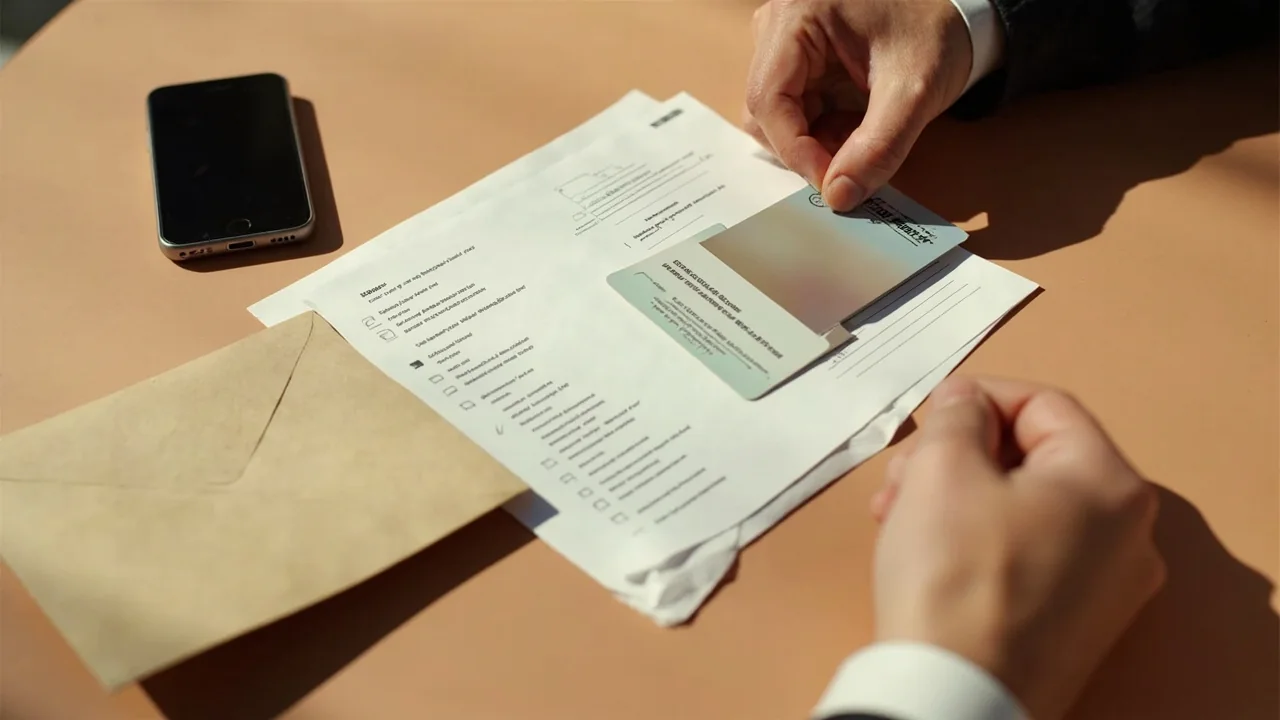
The desk's verification review is published on the safety chapter, with rows for mobile OTP, email confirmation, PAN (masked), Aadhaar (last four only), and UPI ID verification. Each row carries what the verification step proves and what it does not prove.
The desk refuses to publish a verification review that depends on the operator's marketing copy. The desk reads the operator's published rules only.
The desk refuses to score a platform on claims that the desk cannot verify. The desk refuses to score a platform on its marketing copy. The desk refuses to score a platform on bonuses, sign-up offers or welcome codes, because these claims are not part of usability.
The desk also refuses to publish a fake review. Where a platform's published rules are unclear, the desk publishes the unclarity rather than guessing.
The verdicts are the average of the timed pass, the keyboard pass and the screen-reader pass. The methodology is published above the verdicts so a reader can replicate it. The desk publishes the assumptions, the dataset and the date so the verdicts can be updated when the platform changes.
How is the verdict number calculated?
The verdict is the average of the timed pass at 360 pixels, the keyboard-only pass, and the screen-reader pass, with the screen-reader pass weighted double for accessibility.
Does the desk publish operator names?
The desk publishes only operator names that the operator has authorised for editorial use. Verdicts are published as timed-pass results, not as endorsements.
Does the desk score bonuses or sign-up offers?
No. Bonuses and sign-up offers are marketing, not usability. The desk scores usability only.